
News
Xero vs Sage vs QuickBooks: which accounting software is right for your business?
09 Jul 2026
Contact Us

When businesses are comparing Xero, Sage, and QuickBooks, they’re not simply choosing accounting software. They’re looking to add a system to their operations that makes finances easier to manage and understand.
The challenge of choosing between them is that they are all widely used and established in the market. So simply comparing features or attributes rarely gives the clear answer businesses need.
A more useful way of framing it is to think about which piece of software best aligns with how your business carries out daily financial admin. How does it, for instance:
For a majority of SMEs, Xero might well be the practical choice because it’s built with simple cloud access and clean day-to-day bookkeeping in mind. That’s not to say Sage and QuickBooks aren’t also sensible choices, especially in certain situations, which is why the decision should be based on fit, not brand preference.
Before a business starts comparing these three platforms, a handy first step would be to look at who in an organisation will use the software and how often it will be used.
A sole trader, for example, may need a piece of software that allows them to raise invoices from their phone while they’re on the move, which is very different from a company with stock, payroll, and finance staff who may all be approving different purchases.
Smaller businesses may have their bookkeeping handled by the business owner, which would place greater emphasis on usability and automation so that the software can be simple enough to use consistently. On the other hand, if there is an internal finance team in place, aspects such as reporting structures and workflows may become more of a priority.
Finally, if an accountant is heavily involved, having a familiar working environment (i.e. software that is native to them) can make a significant difference in the quality and speed of the advice that they can give. If they can simply plug their preferred platform into your operations and access clean records in a system they know, they can often support you more effectively.
The best software, then, isn’t the one with the longest list of features but the one that makes the right financial habits easier to maintain while continuing to support daily operations. It’s also why accountant preference shouldn’t be dismissed as bias, as it fails to appreciate the operational benefits which come from a platform they know.
Here is a useful starting point for all three pieces of software. While handy, they should not be treated as strict rules. Businesses across all sectors may need different things from accounting software, even if they are similar in size, which is why it’s so important not to pick Xero, Sage, or QuickBooks based on a single factor but by matching the software to existing financial habits and commercial goals.
Xero
Often the best option for SMEs that want a cloud-first system that promotes straightforward bookkeeping as well as easy collaboration with their accountant.
Sage
A good fit for businesses with more complex payrolls or more established financial processes, and a preference for a provider with a long history across accounting, as well as wider business software.
QuickBooks
Can suit businesses that are after a broader cloud accounting package that covers invoices and expenses and can be accessed via mobile devices.
Xero, Sage, and QuickBooks can all support the core functions that most UK businesses expect from accounting software. Their differences aren’t necessarily found in the regular invoicing and expense reporting that a business would need. If the setup is sound and the users keep records up to date, then Xero, Sage, and QuickBooks can all get the job done.
The difference with these three popular platforms is found when businesses scale and need better app integrations so more decision-makers can access key financial information, for example. They may also have implemented more disciplined internal processes, which require software that is robust enough to enforce them and flexible enough to make tweaks if any issues are found post-rollout.
Making Tax Digital (MTD) has also affected this decision. Accounting software is no longer just an optional admin tool for many businesses. HMRC now says that VAT-registered businesses must use compatible software to keep VAT records and file returns. MTD for income tax also requires sole traders and landlords to create digital records which need to be submitted through compatible software.
The decision about which software to use should factor in compliance while also helping businesses reduce manual work and give accountants better information throughout the year.
1. Cleaner day-to-day bookkeeping
Xero’s biggest strength for many SMEs is how it makes routine finance work feel less like a separate admin burden that has to be handled at the end of the month.
By compiling live bank information and creating reconciliation workflows, Xero makes it much easier for small and medium-sized businesses to keep records current throughout the year.
The software creates value for users when the information inside it is accurate and used properly by non-accountants because it feels easy.
2. Stronger collaboration with your accountant
Xero works particularly well in scenarios where the accountant is helping businesses make better decisions throughout the year. Shared cloud access means businesses and accountants can work from a single source of truth to identify issues and avoid exhausting email chains about missing records.
Our role as Xero Partners isn’t just about recommending one piece of tech over another. Our relationship with Xero helps our clients get more value from the way their new or existing Xero ecosystem is configured and used.
3. A bigger ecosystem around the core accounts
The software a business uses doesn’t just end at Xero. Customer interactions need to be managed by a CRM, for instance, and for businesses selling online, e-commerce reporting apps will likely be needed so sales can be tracked.
Xero has spent years building an app ecosystem containing 1,000 applications to help businesses run their day-to-day without needing to install further third-party applications.
Businesses don’t need apps for apps’ sake, but Xero gives them the room to build a relevant stack of applications around their operations if they ever reach a point where they need to.
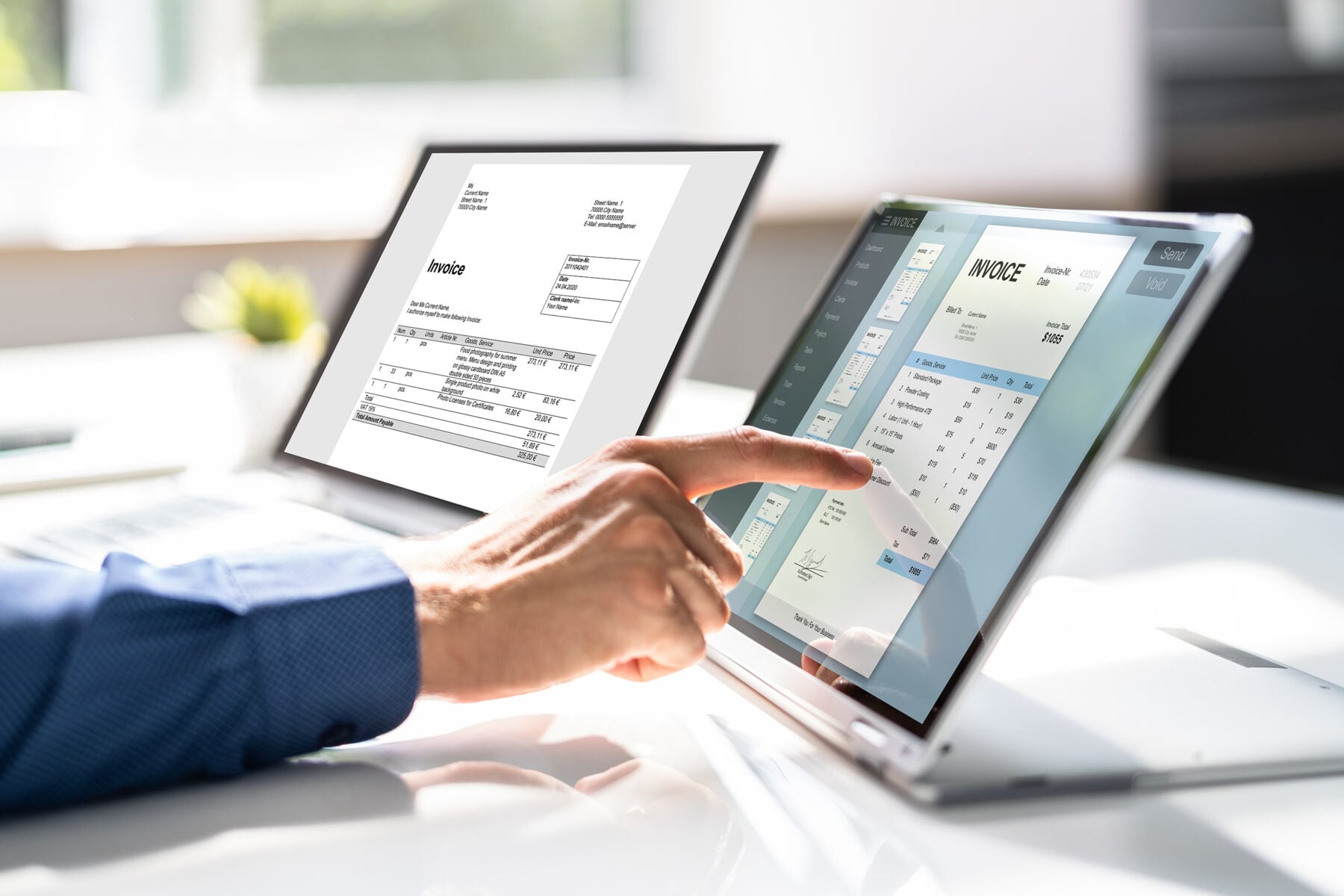
It would be wrong to simply dismiss Sage as an old-fashioned choice because many people associate it with traditional accounting systems. To this day, Sage remains a serious option for businesses that need structured finance processes as well as a broader software environment as they grow.
Within the UK, Sage now combines accounting and payroll, and, like Xero, has apps that can be used and connected to existing Sage infrastructure. This feature makes it an appealing option for businesses that have established finance habits, more complex internal requirements or a team that is simply more comfortable with Sage products.
The trade-off is that smaller businesses and those who aren’t as financially literate as a finance professional may find Sage less SME-friendly than Xero, especially for everyday bookkeeping. Choosing Sage should involve an honest question about whether a business needs its depth now, or whether it’s just adding undue complexity to their processes before they can benefit from it.
Like Sage, QuickBooks is a credible option for businesses wanting accessible cloud accounting and a broad set of features in a single package. For hands-on business owners, the QuickBooks mobile app is very appealing because it allows them to manage invoices, mileage, and cash flow from one app, no matter where they are.
It’s also a sensible choice for owners who already know the platform and have an accountant who can support it properly. And while familiarity can be useful, it shouldn’t trump how suitable a piece of software is for a business.
If a business is going to rely heavily on an accountant for ongoing support, the chosen platform should be one that the advisor can work with confidently and efficiently.
Who will keep the records up to date?
If the owner or office manager is responsible for bookkeeping, then how easy the software is to use should carry more weight than any advanced functionality. If the system feels awkward for the user, then records are more likely to fall behind, which weakens cash flow visibility and makes end-of-year returns that bit harder.
How quickly do you need to see the numbers?
Businesses making decisions based on critical, often live, financial information need software that supports regular, accurate reporting. And, while having reports to access is good, the real value is having reliable data feeding them.
What other systems need to connect?
Retailers, contractors, or manufacturers may need a given accounting system to connect with several different operational tools. In this instance, app ecosystems and ease of integration can become more important than the accounting software itself.
How much support will you need?
A lot of businesses, especially sole traders or small SMEs, can get by by managing their own books, whereas others may need help with VAT or software migration. Working with good accountants can help prevent recreating poor spreadsheet habits inside expensive cloud software.
What might the business need in three years?
Cost-effective, simple accounting software may work well for the first few months of a business’s life but can quickly become restrictive as the business grows. The last thing ambitious SME owners want is to restrict their scalability because their accounting software can’t handle additional staff or location expansion, which is why choosing with a three-year view can reduce the risk of a disruptive software switch later.
Switching to or from any type of cloud accounting system isn’t as simple as just transferring data from one place to another.
Migrations can expose cracks that had been papered over. Duplicated supplier contacts or unreconciled transactions can create significant headaches during the migration and affect user adoption because users have had a negative experience through no fault of the software.
Any switch should be thought of as a chance to improve the financial setup of the business rather than just a process of moving historic data into a new environment. Businesses should decide what data needs to migrate and what can be archived. Timing around when the switch should happen and who will check the balances after migration is complete should also be agreed upon.
Other factors that all need proper attention during setup include:
Xero’s partner programme includes support for those looking to migrate from Sage or QuickBooks through Movemybooks, which can make the migration manageable rather than feeling rushed.
Our preferred software partner at WR Partners is Xero because of how it helps our clients achieve their desired outcomes.
Once migrated, the software helps businesses keep closer control of their finances without needing a large internal finance function, removing the need to increase their headcount and its associated costs. Xero gives our accountants a strong platform for supporting their clients throughout the year so that decisions can be made when the opportunity arises.
Despite all this, Xero is not a silver bullet for fixing a business’ finances. Bad bookkeeping habits and poor data will make migration and usability hard no matter how good the software is.
Careful setup, then, is still required so that it can be used consistently and reviewed by people who understand the business behind the numbers. Our team helps clients successfully adopt Xero in ways that continue to add value so that Xero becomes a practical business tool that positively changes how a business operates.
That said, if Sage or QuickBooks are better aligned with your needs, our team will still be delighted to discuss how we can help.
Choosing between Xero, Sage and QuickBooks is an easier decision when it’s based on how your business operates day to day.
WR Partners can help you assess your current system setup and understand whether or not Xero is the right fit. If it is, we’ll put together a clean transition so the migration is seamless.
As Xero Partners, our team can also support setup and ongoing use of Xero so that the software contributes to stronger finance processes. No matter your scenario, our goal is to give you clearer, more visible records that don’t trip your business up.
Get in touch with WR Partners to talk about Xero and whether it is the right accounting software for your business.
We love meeting new, exciting businesses. Get in touch with our team to see how we could enhance and protect your financial position.
Or if you’d prefer to speak to someone directly just give us a call on: 08000 664 664 or email: [email protected].
"*" indicates required fields
